

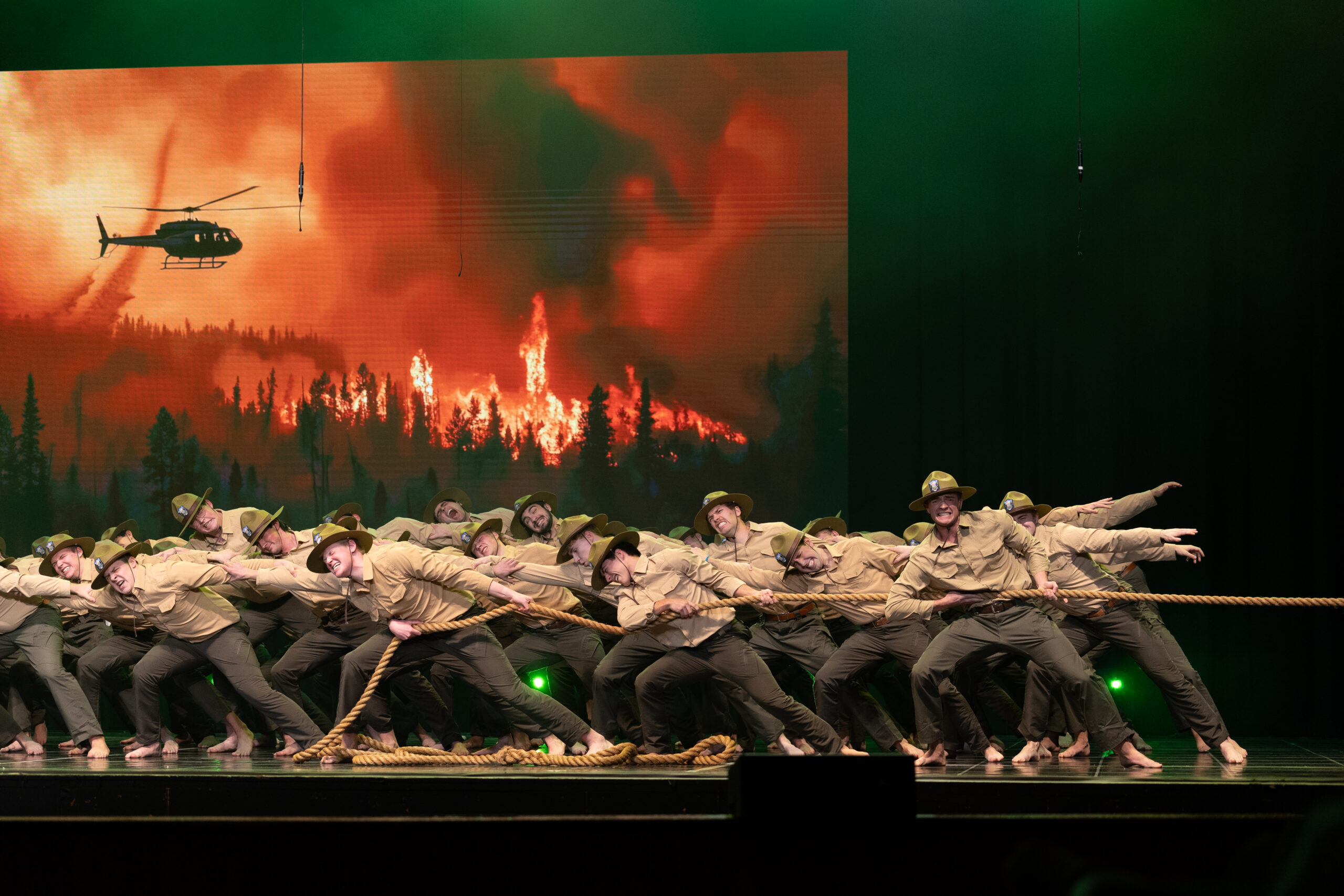
One of Samford’s biggest events of the academic year is Step Sing, bringing together many different groups of people from across campus. With it being such a big event, it is crucial for the history of such events to be documented in some manner.
Samford maintains a copy of every group from every year that recordings happened, and YouTube also has many performances posted on a number of different accounts. Davis Coggins is the owner of one of the most well-known channels that posts Step Sing performances to YouTube.
Recently, videos of different performances have been removed from some of these YouTube accounts.
Jon Tackett, Samford’s Media Center Manager, made note of the intense regulation of licensing that prevents videos of performances from being posted and kept on sites like YouTube.
Tackett heads up all the different storage methods that Samford uses to ensure the storage and preservation of all the memories.
“I have an extended storage that I throw every recording we do on just that. It’s like a Seagate 20 terabyte extended storage. I also post a digital copy to Vimeo, and that allows me to send a copy out to anybody who requests it,” said Tackett, “And then my department, marketing, we have a network storage that I actually oversee and manage, and we also throw another copy of recordings onto that.”
Anyone who wants access to these recordings are able to email or reach out to Tackett or the Media Center and obtain a link to the videos or access to that archive to look through.
Alumni students like Josh Chiodo post videos from their time at Samford in Step Sing. Chiodo was responsible for recording the shows for his fraternity, Alpha Tau Omega.
“We watched Thursday, night one, to help kind of understand the weak points, strong points, who was where, something to clean up. Really just for the competitive aspect of it in the pit, I suppose, you know, as it goes. That was the original intention,” said Chiodo.
As the years continued, those videos were kept as archives to look at past shows, themes and gain ideas.
For Chiodo, it began as just recording for ATΩ but soon became a favor he did for different friends or friends of friends.
“[The videos are used] in a nostalgic way to look back at your own time and to have this communal connection with, you know, hundreds and thousands and thousands of other students from, oh, 75 years ago and more that are doing the same thing you were doing and how silly and how crazy and how exhausting it can be,” said Chiodo.
The thought of these videos being removed from different sites is disappointing for students like Chiodo.
“All those memories can really come to connect and define that whole alumni base for decades and decades. And the idea of losing that to me is really sad,” said Chiodo.
Tackett and his team, however, work hard to ensure that people who want access to any of the videos are able to get them. His team is built up of different creatives, mostly students, who he encourages to participate in these types of experiences.
He expects things to run smoothly again this year in terms of the preservation of these digital memories.
“I’m expecting more of the same. I have a very big philosophy I live by, which is if it isn’t broke, don’t fix it,” said Tackett. “And last year we had a very good year, so I’m going to attempt to go about it the same exact way.”
With students like Chiodo and members of Samford’s staff such as Tackett, the memories of Step Sing are set to be preserved for many years and classes to come.

Arts & Life Editor
Want the Crimson delivered to your inbox each week? Subscribe below!